

LEI Solutions: LEI in Crypto Exchanges & VASPS
Know who you're transacting with: LEI for crypto-asset service providers
MiCA requires it. The Travel Rule names it. AMLA will demand it. The LEI Code is the entity identity foundation your crypto compliance stack cannot afford to overlook.

Hard deadline:
MiCA transitional periods close progressively – final cutoff 1 July 2026
RapidLEI trusted by the world's leading institutions








Regulatory drivers
Three frameworks. One common requirement: verified organisation identity.
MiCA — Regulation (EU) 2023/1114
An LEI is a pre-requisite for CASP authorisation. ESMA’s public register of licensed providers uses the LEI as its anchor identifier. Transitional periods close across Member States, with a final hard deadline of 1 July 2026.
FATF 16, 24 & EU Travel Rule (TFR)
The EU Transfer of Funds Regulation applies to all CASP-to-CASP transfers with no minimum threshold. For legal entity originators, the required fields include: name, address, and originator_LEI
Read the FATF spotlight →
EU AML Reform & AMLA (from 2027)
All CASPs will be formally designated obliged entities under the new AML framework. AMLA will directly supervise high-risk and cross-border platforms. LEI-anchored KYB workflows now will reduce the lift significantly.
How RapidLEI supports CASPs
From your own authorisation to managing clients at scale
LEI for your clients, built into KYB onboarding
GLEIF Validation Agents
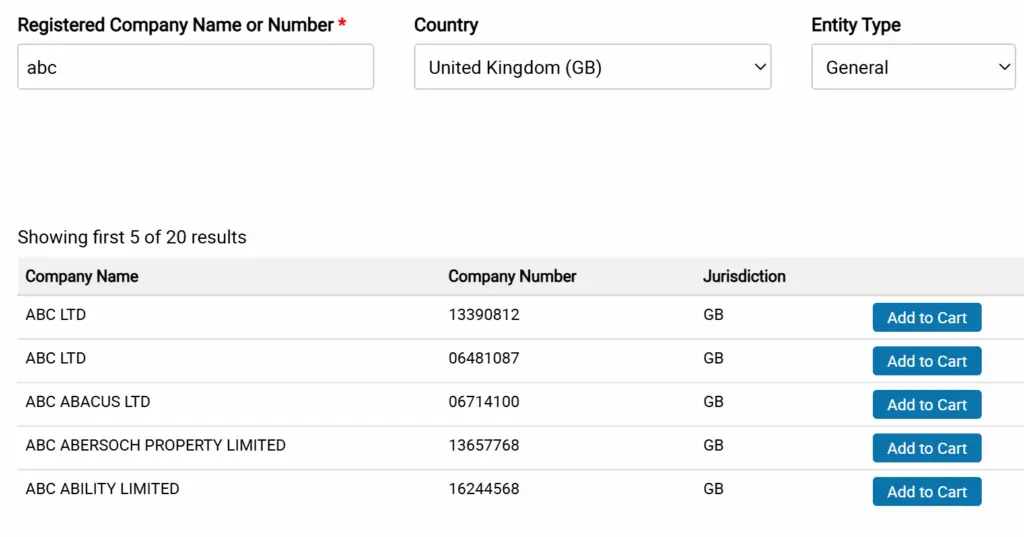
CASPs can benefit from enriched identity-verification of clients, using the globally accepted and regulated KYB onboarding process. The outcome is a fully validated LEI for the client.
- Utilise the LEI registration process to augment and enrich KYB reference data on clients as they are onboarded
- Leverage existing KYC/KYB, AML and Compliance-as-a-Service workflows to streamline LEI issuance to institutional crypto clients
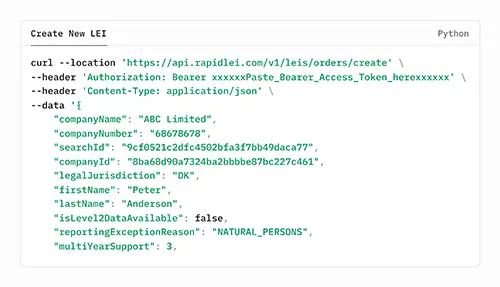
- Integrate into existing workflows via LEI registration API or UI
There is no need to engage with the LEI Issuer in a separate, often time consuming, validation process just for the LEI registration. Client onboarding and LEI issuance become synchronous.
EnterpriseLEI™
Manage at portfilio scale
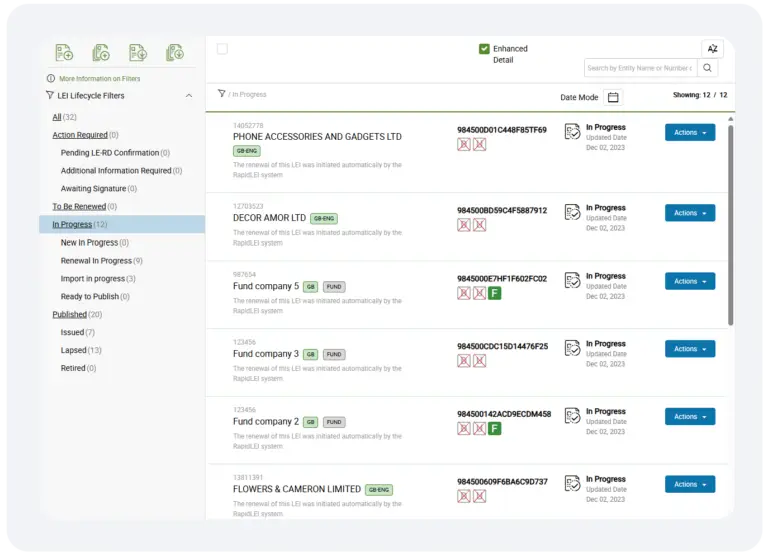
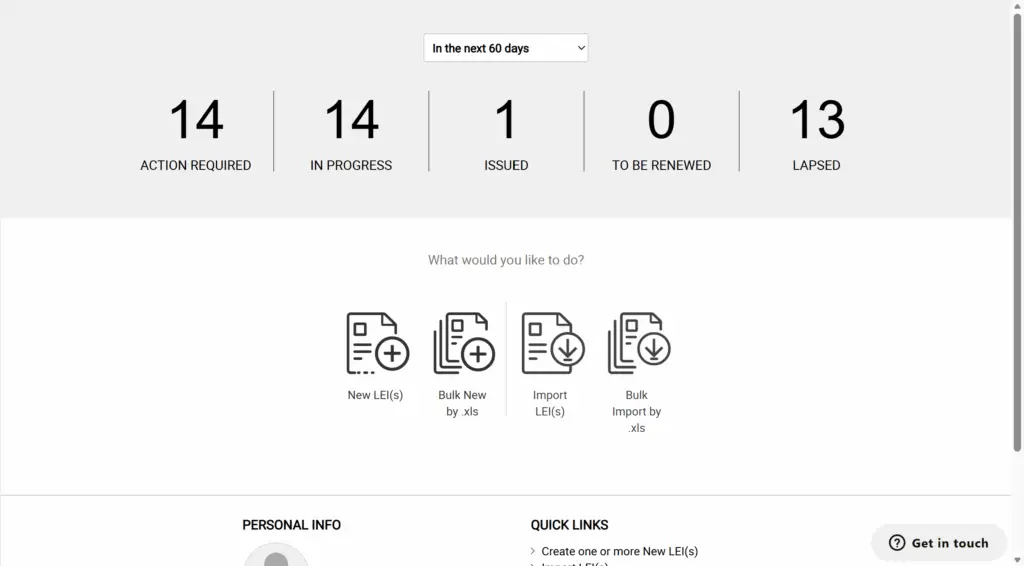
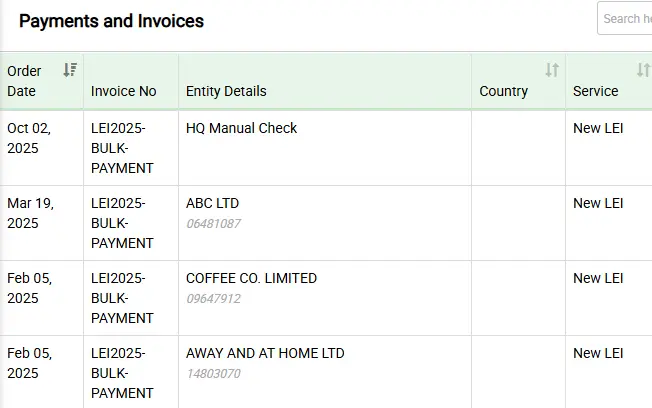
For exchanges managing hundreds of institutional counterparties or token issuers, EnterpriseLEI provides a single dashboard, automated renewal tracking, and bulk management. No counterparty LEI will lapse mid-transaction.
- Instant status, reporting and analytics via a single dashboard to gain actionable insights
- Consolidate and manage risk of LEIs across portfolio more effectively
- Reduce LEI management costs by elimination of manual LEI tasks
- Strengthen relationships with clients by delivering highest levels of data accuracy and Policy Flag Conformity
The LEI: providing trusted entity identity to crypto exchanges worldwide
RapidLEI issues LEIs in minutes across 150+ jurisdictions, with no separate validation process. Automated, easy, compliant.
How the crypto market benefits from the LEI code
Delivering standardised verified organisation identity
MiCA authorisation and ESMA registration
The LEI code is a pre-requisite for CASP authorisation under MiCA. It is the identifier through which every licensed provider appears in ESMA's public register, ensuring consistent, unambiguous identification across all 27 Member States from the moment authorisation is granted.
Counterparty due diligence and KYB
The LEI code resolves to GLEIF-verified entity data across 150-plus jurisdictions in real time, covering legal name, registered address, jurisdiction, and ownership structure. For exchanges onboarding institutional clients across borders, a single LEI query replaces manual registry lookups across multiple national databases and reduces the time and cost of counterparty verification materially.
Enhanced fraud and scam detection
A single verified LEI code eliminates the ambiguity that arises from inconsistent legal name formats, trading names, and jurisdictional variations in entity data. This directly improves the accuracy of automated sanctions screening, reduces false positives, and makes it harder for bad actors to obscure identity through name variations or transliterations across jurisdictions.
Travel Rule compliance at scale
The EU Transfer of Funds Regulation names the originator's LEI code as a required data field in CASP-to-CASP transfer messages for legal entity originators. With LEI codes captured at onboarding, the data needed for every qualifying transfer is already in the client record — no per-transaction lookup, no risk of missing or incorrect identifiers in transfer messages.
Beneficial ownership transparency
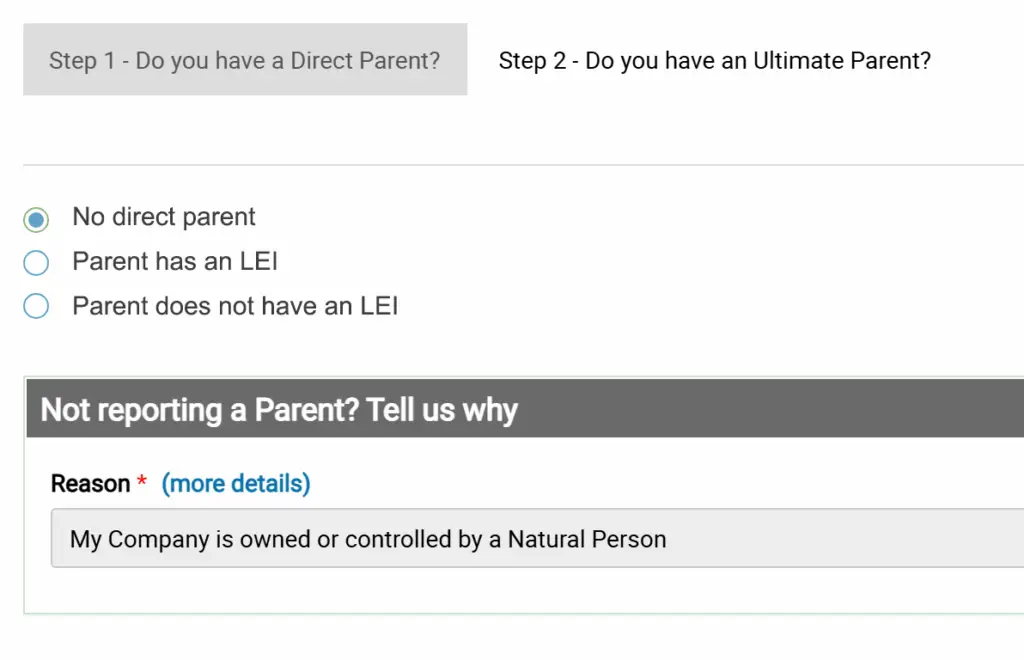
LEI Level 2 relationship data maps direct and ultimate parent ownership across corporate group structures globally, supporting FATF Recommendation 24 compliance. For a CASP dealing with funds, corporates, and multi-entity institutional counterparties, the LEI ownership graph is a machine-readable starting point for beneficial ownership analysis that significantly reduces manual investigation burden.
AMLA readiness from 2027
All CASPs will be formally designated as obliged entities under the new EU AML framework, with AMLA directly supervising cross-border and high-risk platforms. Platforms that build LEI-anchored entity identification into their KYB and monitoring workflows now will have the verified, continuously maintained entity data infrastructure that AMLA will expect to see, all built on a foundation rather than assembled under regulatory pressure.
Explore more Resources
Regulation
MiCA and the LEI: what every CASP needs to know
How Regulation (EU) 2023/1114 makes the LEI a pre-requisite for CASP authorisation, its role in ESMA’s public register, and what it means for Travel Rule compliance under the TFR.
Whitepaper
Achieving FATF Compliance with the LEI
How the LEI fulfils FATF Recommendations 16 and 24, covering payments transparency, Travel Rule data requirements, and beneficial ownership reporting for financial institutions and VASPs.
Blog
MiCA and the LEI: how crypto-asset regulation is driving LEI adoption
How MiCA’s framework for crypto-asset service providers embeds the LEI code across authorisation, the ESMA register, Travel Rule compliance, and counterparty identification and what it means for VASPs transitioning to CASP status.